Our Core Focus
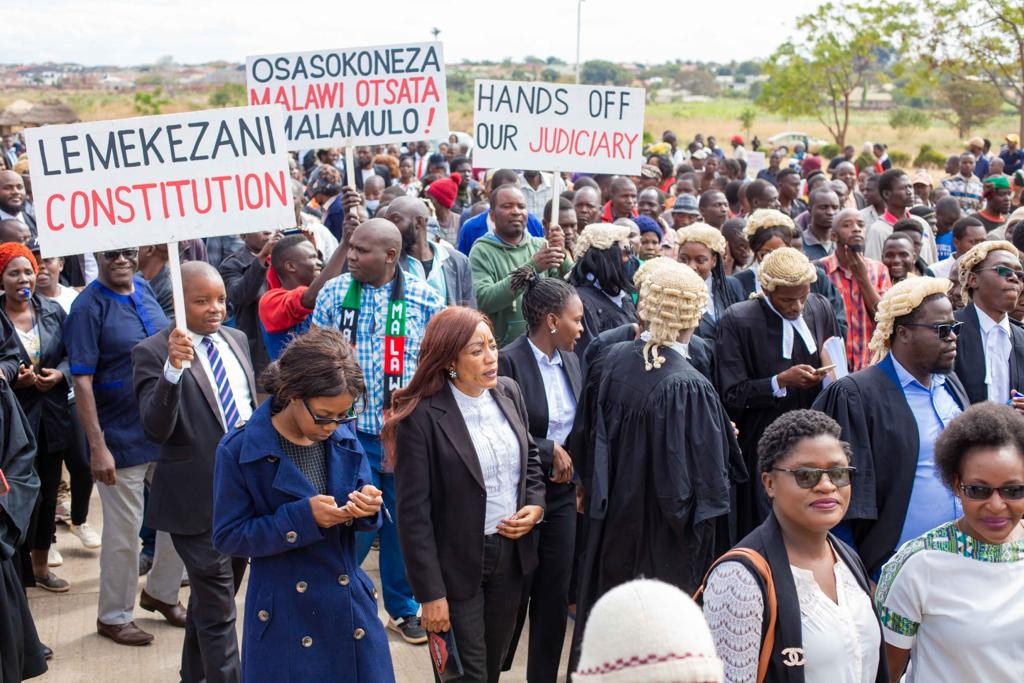
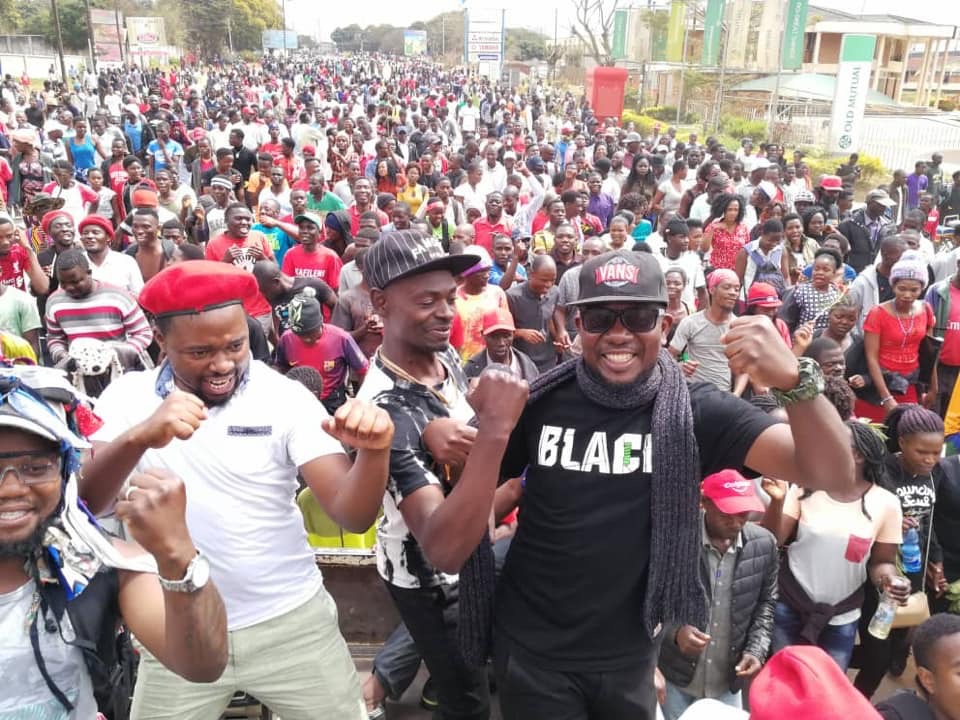
PaRi focuses on building individual and human rights promotion, urgency and knowledge. PaRi has expertise in engaging Sex Workers and LGBTIQ young people in educating them on their constitutional rights, advancing their access to Sexual Reproductive Health and Rights (SRHR) Services and advocating for improved policies, guidelines and laws for ensuring equality and justice.
Our Objectives
To expand access to HIV prevention education and services for Sex Workers and LGBTIQ young people.
To advocate for improved rights respect and dignity for marginalized Sex Workers and LGBTIQ young people.
To engage and empower Sex Workers and LGBTIQ young people with correct and factual information regarding their reproductive rights and health choices, options and urgency.
To reduce homophobic and sexual violence against Sex Workers and LGBTIQ young people.
To create community and societal awareness on the rights of Sex Workers and LGBTIQ young people.
Our Work
It is our objective to facilitate a more predictable, accountable, and effective protection response to human rights violations and GBV in complex emergencies, natural disasters, and other such situations.
To better serve human rights interests, and to combat gender based violence, we have established programmes, focus topics and strategic regions of intervention. Our Programmes have been set up to amplify the voices of human rights defenders and provide them with the best tools to increase their impact and reach their goals. Our Focus Topics represent the areas where Partners In Rights is placing great emphasis.
Our approach to supporting human rights work is based on the following three core pillars.
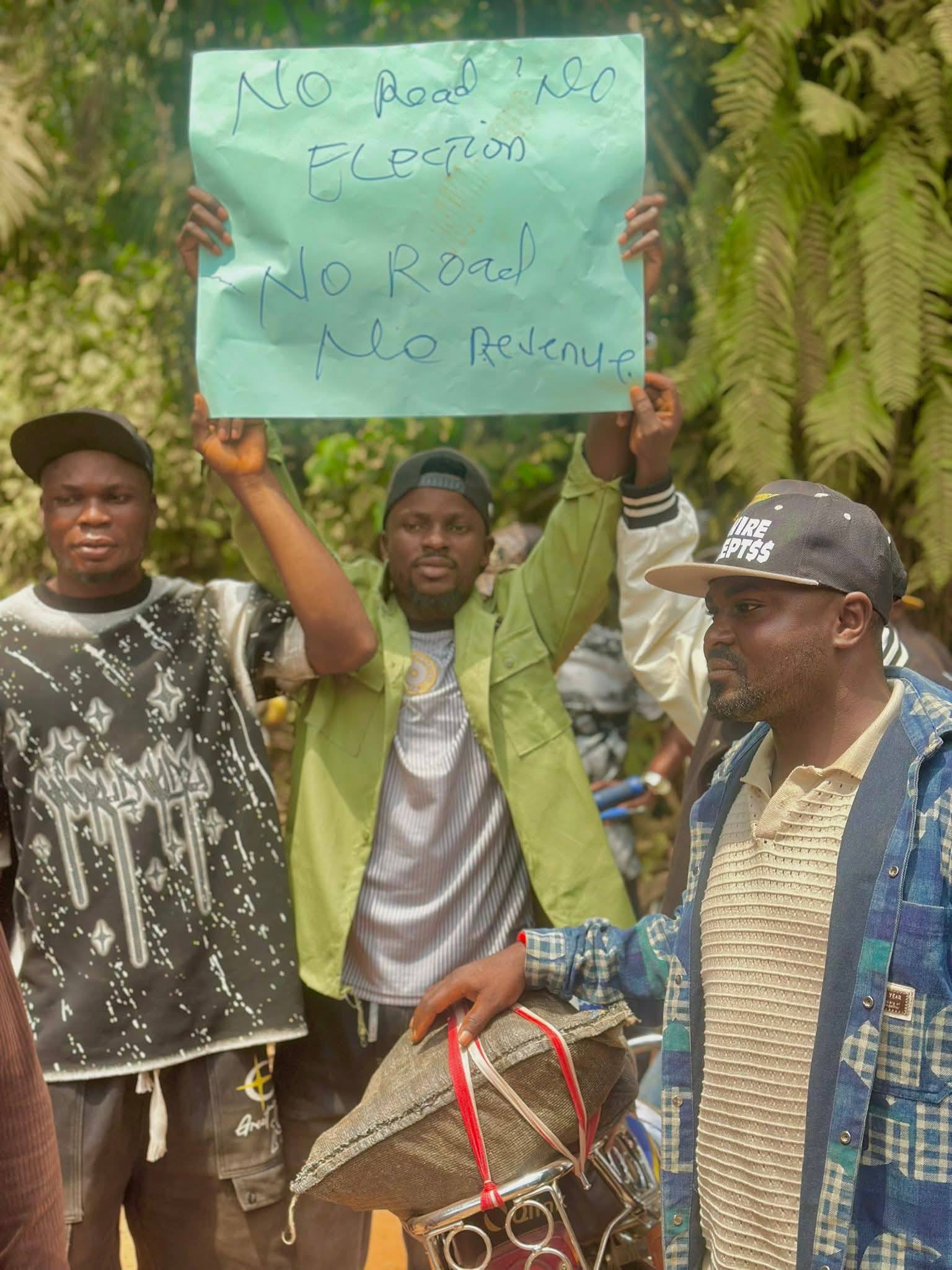
Supporting Human Rights Defenders
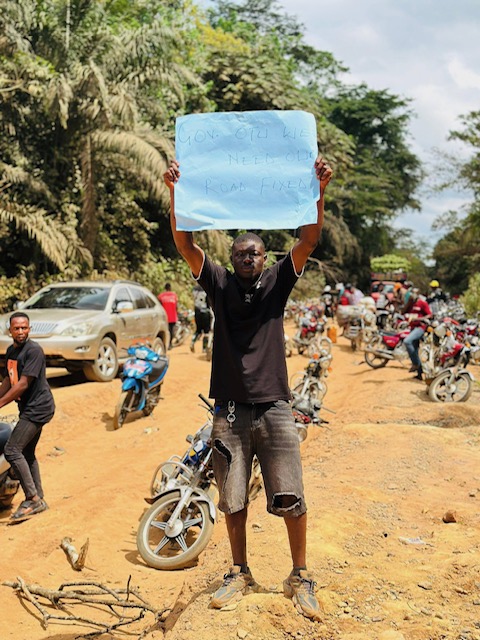
Partners In Rights provides communities with strategic and tailored advice on how to best use the human rights mechanisms available to them. We provide comprehensive training, information products and advocacy support, ranging from narrative advice to legal advice.
We play an influential role on the ground to ensure the implementation of international standards and resolutions in relation with human rights education through our extensive expertise and strong partnerships with national human rights organisations and networks.
We build, coordinate and mobilise powerful partnerships for human rights change through our strong relationships with leading governments, progressive companies and human rights NGOs.
Promoting Rights and Accountability
We use strategic mechanisms to rapidly prevent violations and attacks against human rights defenders and to ensure justice and accountability where they occur.
We work to ensure that state institutions respect and protect human rights and defenders and fulfil their human rights obligations at national and international levels, enabling and promoting their work. We also work to ensure that businesses and other non-State actors respect human rights and contribute to a safe and enabling environment for defenders where they operate or have influence.
Strengthening human rights laws and systems
Our expert policy research and advocacy, together with our access to high-level decision-makers and systems, help make those systems more accessible, effective and protective for human rights defenders and the victims they represent.
We work to ensure that human rights laws and mechanisms are accessible to human rights defenders and responsive to their demands, and are effective and influential in promoting, protecting and contributing to the realisation of human rights and accountability for violations and abuses.
Our Take On
Gender-Based Violence (GBV)
Gender-based violence (GBV) is a violation of human rights. We are working to transform attitudes towards girls and women that perpetuate violence against them.
Gender-based violence is one of the most prevalent human rights violations in the world. It knows no social, economic or national boundaries. Worldwide, an estimated one in three women will experience physical or sexual abuse in her lifetime. Gender-based violence undermines the health, dignity, security and autonomy of its victims, yet it remains shrouded in a culture of silence.
We will strive to be a lead agency in working to respond to and reduce gender-based violence and to support programmes in all communities including humanitarian, peace and development settings.
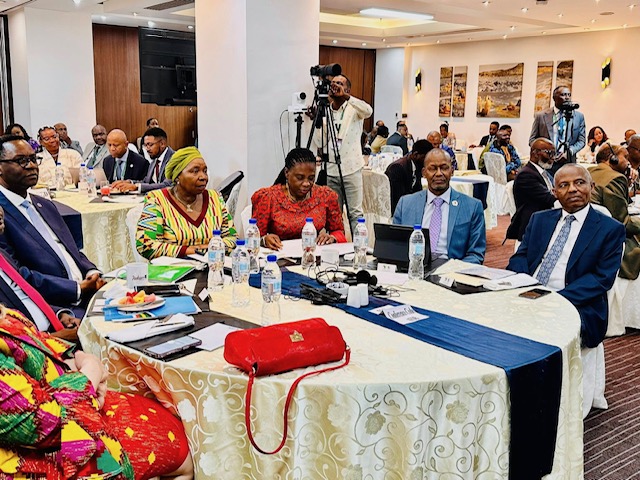
Based on our longstanding expertise of human rights mechanisms and our closeness to the needs of human rights defenders, we developed a toolbox for defenders. It includes the following.
Trainings
Online and offline; Partners In Rights Academy e-learning space to strengthen advocacy skills.
Resources
Guidebooks, research and reports on specific human rights issues.
Human Rights Network
Network to enhance NGO engagement with the Human Rights Council and to strengthen the Council’s impact and influence on the ground.
Model Law
On the Recognition and Protection of Human Rights
Empowering Of
Human Rights, Culture, Health, Education and Socio-Economic.
Educating for
Conflict Resolution, Negotiation and Peace building capacities.